
With numerous options available, making an informed decision requires careful consideration of several key factors.
Research Their Expertise and Services
Before hiring a pest control provider, it’s essential to assess their expertise in handling specific types of pests.
– Household pests such as ants, cockroaches, and rodents.
– Termite management for structural protection.
– Wildlife removal, including bats or raccoons.
– Organic or eco-friendly pest control solutions that prioritize safety.
Understanding their areas of specialization helps you select a company best suited to your unique situation.
Assess Their Credentials and Certifications
A trustworthy pest control company must be properly licensed and certified according to state regulations.
1. Verify their license number with local regulatory agencies. 2. Check if they employ certified technicians trained in Integrated Pest Management (IPM) practices. 3. Look for accreditation from respected organizations, such as the National Pest Management Association (NPMA).
Proper credentials ensure compliance with legal standards and indicate that the company maintains professional quality.
Evaluate Reputation Through Reviews and Referrals
The reputation of a pest control service can offer insights into its reliability and customer satisfaction levels:
– Read online reviews on platforms such as Google or Yelp. – Ask for references from past clients who dealt with similar issues. – Inquire within your local community for recommendations based on personal experiences.
Positive feedback often reflects strong customer service, effective treatments, and consistent results.
Consider Safety Measures Used During Treatment
Safety is paramount when choosing a pest control service provider.
– Using EPA-approved pesticides or non-toxic alternatives. – Explaining potential health hazards associated with treatments. – Following all recommended application guidelines during services.
For households with children or vulnerable individuals, opting for eco-conscious methods may be particularly beneficial.
Compare Pricing Transparently
| Feature | What to Look For | Why It Matters |
| Free Inspections | Does the company offer free site visits? | Helps identify problems without upfront commitment |
| Clear Cost Estimates | Are quotes detailed & itemized? | Prevents hidden fees or unexpected charges |
| Service Guarantees | Do they offer warranties on work? | Ensures accountability for effectiveness |
Avoid companies that provide vague pricing or pressure you into immediate decisions during consultations.
Ask About Follow-Up Services
Pest management often requires ongoing monitoring or follow-up care to ensure long-term success. A reputable company will provide these services along with recommendations on preventive measures tailored to your property’s needs.
By taking time to research thoroughly and weigh options carefully based on these considerations, you’ll increase your chances of finding a reliable partner committed to providing both effective results and peace of mind in addressing pest-related concerns.
When it comes to pest control services, reputation is an essential factor. A company’s reputation serves as a reflection of its professionalism, service quality, and customer satisfaction. Choosing the right pest control provider involves more than just comparing prices or looking for proximity. Here are some critical aspects to consider when assessing a company’s reputation.
Key Indicators of a Strong Reputation for Exterminators in Florida
- Online reviews on platforms like Google, Yelp, or Better Business Bureau (BBB) often provide valuable insights into the experiences of past customers.
- Pay attention to recurring themes in reviews: Are customers satisfied with the effectiveness of treatments? Is the company responsive and professional?
- Look for testimonials directly on the company’s website, but take these with caution as they may be curated.
- Ask friends, family, or neighbors for recommendations based on their personal experiences with local providers.
- Local community groups and forums can also be valuable resources for obtaining honest opinions about pest control companies in your area.
- Companies recognized by industry associations often exhibit higher standards of service quality.Award/Certification | Significance | |——————————-|—————————————————| | NPMA QualityPro Certification | Indicates adherence to best practices in pest control | | GreenPro Certification | Highlights eco-friendly pest control solutions |
- Companies that have been operating for many years tend to have built trust within their communities through consistent performance.
Identifying Warning Signs of Poor Reputation in Pest Removal Services in Florida
- Negative Patterns in Reviews: Multiple complaints about unprofessional behavior, incomplete treatments, or hidden charges could indicate systemic issues.
- Aggressive Sales Tactics: A trustworthy company provides clear information without pressuring you into signing up immediately.
- No Verifiable References: If a business cannot provide references from previous clients upon request, it might lack credibility.
How Florida Pest Control Service Builds Trust and Accountability
Reputable pest control companies prioritize customer satisfaction because their business success depends on their public image.
- Clear communication about treatment plans and pricing.
- Use of high-quality equipment and safe pesticides.
- Adherence to agreed timelines without compromising results.
Effective Steps for Pest Removal and Reputation Verification
- Research extensively online using multiple review platforms.
- Check if the company is registered with professional organizations such as the National Pest Management Association (NPMA).
- Request references directly from the service provider.
- Contact your local consumer protection agency to see if any complaints have been filed against them.
Investing time in evaluating a company’s reputation minimizes risks associated with incompetent or unsafe practices while ensuring effective results tailored to your needs.
Why Reputation Matters When Selecting a Reliable Pest Control Company
When it comes to choosing a pest control company, reputation is one of the most critical factors to consider. A company’s reputation provides insights into its reliability, effectiveness, and customer satisfaction levels. Below are key points outlining why reputation plays such an important role and how you can assess it effectively.
https://coralspringspestcontrolflus.weebly.com/
Indicators of a Strong Reputation
- One of the easiest ways to evaluate a pest control company is by checking online reviews on platforms like Google, Yelp, or specialized service forums.
- Look for consistent patterns in feedback — if multiple customers praise their professionalism or results, this indicates reliability.
- Avoid companies with repeated complaints about poor service quality or hidden costs.
- Companies with many years of experience often have a proven track record of delivering effective pest control solutions.
- Longevity also suggests that the business has built trust within its community over time.
- Ask friends, family members, or neighbors for recommendations. Personal referrals are often based on genuine experiences and can be more reliable than online reviews alone.
Red Flags to Watch Out For
When evaluating a company’s reputation, be wary of:
– Lack of Online Presence: A poorly maintained website or absence on review platforms might indicate an outdated or untrustworthy company.
– Too Many Generic Positive Reviews: If all reviews sound too similar or overly generic, they may not be authentic.Failure to Respond to Negative Reviews: Companies that don’t address unhappy customers may lack accountability.
Steps for Assessing Reputation
- Check Accreditation and Affiliations
Memberships in professional organizations (e. g. , National Pest Management Association) demonstrate credibility and adherence to industry standards. - Survey Social Media Interactions
Look for customer interactions on platforms like Facebook and Twitter. Are they engaging with users professionally? Are complaints addressed promptly? - Request References from the Company Itself
Reputable companies should be willing to provide references from past clients who can vouch for their services.

| Reputational Factor | Importance Rating (1-5) | Example Indicators |
| Online Reviews | 5 | High ratings with detailed feedback |
| Industry Experience | 4 | Operating for more than five years |
| Professional Accreditations | 5 | Memberships in recognized associations |
| Customer Service Approach | 4 | Prompt replies; willingness to resolve issues |
Benefits of Choosing a Well-Reputed Company
Opting for a pest control provider with a solid reputation helps ensure:
– Effective solutions tailored to your specific pest problem. – Adherence to safety protocols during treatment processes. – Transparent pricing without hidden fees. – Better long-term results through professional approaches.
Remember: A good reputation is usually earned through consistent excellence in service delivery over time. Taking the time to research this aspect will save you stress while ensuring peace of mind when dealing with pest-related challenges.
Understanding Pest Control Pricing and What to Look for in Cost Estimates
When it comes to pest control, understanding the pricing structure and cost estimates can help you make an informed decision while avoiding unnecessary expenses. Pest control services vary based on several factors, and being aware of these can ensure you receive both value and effective solutions. Below is a breakdown of what to consider when evaluating pest control pricing.
Key Factors That Influence Pest Control Pricing
- Type of Pest Problem
Different pests require varying levels of treatment complexity. - Controlling common ants or cockroaches may involve simple treatments at a lower cost.
- Termites or bed bugs often require specialized methods, which can be more expensive due to the resources involved.
- Severity of Infestation
The extent of the infestation directly impacts the price: - A localized small infestation typically costs less as it requires fewer treatments.
- Widespread infestations often demand multiple visits, advanced techniques, or customized solutions.
- Property Size
Larger properties naturally require more materials and labor for adequate pest control coverage. Residential spaces like apartments might cost less than larger homes or commercial facilities. - One-time treatments are generally priced higher for comprehensive elimination.
- Regular maintenance plans (monthly, quarterly) are often more cost-effective in managing long-term pest prevention.
- Methods and Products Used
Eco-friendly or organic pest control products typically come at a premium compared to traditional chemicals due to their environmentally safe formulations.
What to Look for in Cost Estimates
- Upfront Transparency: Reputable companies provide clear breakdowns without hidden charges.
- Itemized Estimate: Ensure the estimate specifies all costs, including labor, materials, follow-up visits (if needed), and guarantees.
- Warranty Options: Many providers include warranties in their pricing; this guarantees free follow-up services if pests reappear within a certain timeframe.
- Custom Plans: Look for estimates tailored to your specific situation rather than generic quotes that may not fully address your needs.
Comparing Costs Between Providers
It’s crucial to compare multiple service providers before finalizing a decision.
| Provider Name | Treatment Type | Cost Estimate | Warranty Details | Eco-Friendly Options |
| Provider A | Quarterly Plan | $300/year | 6-month free reservice | Yes |
| Provider B | One-Time Treatment | $150 | No warranty | No |
| Provider C | Customized Services | $500 | 1-year warranty included | Yes |
By examining aspects like warranty coverage and eco-friendly alternatives alongside pricing, you can gauge overall value beyond just the initial monetary cost.
Red Flags to Avoid
- Avoid unusually low prices; these could indicate subpar service quality or hidden fees later on.
- Be wary of vague estimates that lack transparency about what is included in the price.
- Verify credentials if prices seem inflated—ensure they’re justified by factors such as advanced methods or certifications held by the company.
Understanding pest control pricing goes beyond comparing numbers; it’s about ensuring quality services tailored to resolve your specific needs while staying within budgetary constraints.
Essential Tips for Identifying a Good Pest Control Provider
Finding the right pest control provider can feel like a daunting task, especially with so many companies claiming to offer the best services. However, by focusing on specific aspects of their operations and approach, you can narrow down your options and select a reliable partner. Below are actionable tips to help you identify a good pest control provider.
Look for Proper Licensing and Certification
A reputable pest control provider should hold valid licenses and certifications issued by relevant authorities. These documents indicate that the company complies with local regulations and that its technicians have undergone proper training.
- Ask for proof of licensing and check with state or local agencies for verification.
- Ensure that technicians are certified by respected organizations such as the National Pest Management Association (NPMA).
- Confirm if they follow Integrated Pest Management (IPM) principles, which emphasize environmentally safe approaches to pest management.
Assess Their Experience in Handling Specific Pests
Different pests require unique treatment methods. A good pest control provider should have expertise in dealing with the specific type of infestation you’re facing.
- Inquire about their experience in managing pests like rodents, termites, cockroaches, or bed bugs based on your needs.
- Request case studies or examples of how they’ve successfully handled similar situations in the past.
Evaluate Customer Reviews and Reputation
Customer feedback offers invaluable insights into a company’s reliability and service quality.
- Check independent review platforms such as Google Reviews, Yelp, or Better Business Bureau (BBB).
- Look for consistent patterns in customer feedback rather than focusing solely on isolated negative reviews.
- Ask for references from previous clients who can share firsthand experiences.
Understand Their Treatment Methods
Safe and effective solutions should be a priority when selecting a pest control company.
- Confirm whether they use eco-friendly or low-toxicity products suitable for homes with children or pets.
- Ask about preventive measures they provide to reduce future infestations after treatment is complete.
Compare Cost Estimates Transparently
| Service Aspect | Questions to Ask |
| Inspection Fees | Is there an initial inspection fee? If so, is it refundable if services are hired? |
| Treatment Packages | Are there bundled services available at discounted rates? |
| Guarantee/Warranty | Do they offer free follow-ups if pests return within a certain timeframe? |
Transparency in pricing demonstrates professionalism and builds trust between you and the provider.
Verify Insurance Coverage
Pest control involves risks, both during treatments and over time.
- Ensure they have general liability insurance to cover damage caused during treatment.
- Workers’ compensation insurance is essential if employees are injured while working on your property.
By closely examining these factors before making your decision, you can feel confident that you’ve chosen not only an effective but also trustworthy pest control provider tailored to meet your specific needs.
How Professional Pest Control Services Ensure a Safe and Healthy Environment
Effective pest control is not just about eliminating pests—it’s also about creating a safe and healthy environment for your family, employees, or customers. Professional pest control services employ comprehensive strategies to ensure health and safety without compromising the environment. Below are some ways professional pest control services achieve this goal.
Integrated Pest Management (IPM) Strategies
Many professional pest control companies use Integrated Pest Management (IPM), which focuses on long-term prevention and minimal environmental impact. This approach provides safer solutions while ensuring effective pest elimination.
- Inspection: Identifying the root cause of the infestation.
- Monitoring: Consistently tracking pest activity to assess risk levels.
- Prevention: Implementing non-chemical measures such as sealing entry points, reducing water sources, and maintaining cleanliness.
- Targeted Treatment: Applying treatments in a controlled and specific manner rather than using broad-spectrum chemicals.
By focusing on these steps, IPM reduces unnecessary pesticide use, which minimizes risks to humans, pets, and wildlife.
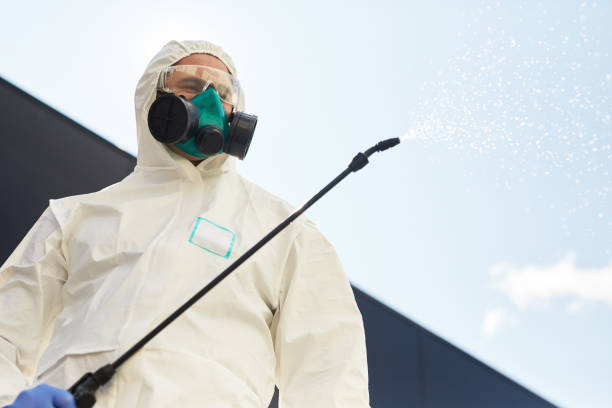
Use of Environmentally Friendly Products
Professional pest control providers increasingly rely on eco-friendly products that are both effective against pests but safe for humans and non-target organisms.
- Reduced exposure to harmful chemicals in homes or workplaces.
- Decreased environmental pollution due to biodegradable products.
- Protection for beneficial insects like bees and butterflies.
For example, botanical-based insecticides or pheromone traps are often used by certified professionals as safer alternatives to synthetic pesticides.
Protecting Indoor Air Quality
Chemical-heavy DIY solutions can release toxins into indoor air that linger for long periods.
- Using low-toxicity treatment methods designed for confined spaces.
- Providing proper ventilation guidelines after treatment.
- Offering post-treatment inspections to ensure chemical residues do not pose lingering risks.
Maintaining good indoor air quality is crucial in reducing respiratory hazards—particularly for children, elderly family members, or individuals with allergies.
Promoting Hygiene and Sanitation
Pest infestations can exacerbate problems related to hygiene by spreading bacteria such as Salmonella or E. coli through droppings and contaminated surfaces. Professional pest controllers often advise clients on best practices for maintaining sanitary conditions to prevent future infestations.
- Regularly disposing of garbage in sealed bins.
- Keeping food stored in airtight containers.
- Removing standing water sources such as clogged drains or leaking pipes.
By addressing sanitation issues alongside treatment efforts, professionals help foster an overall healthy living or working space.
Compliance with Safety Standards
Licensed pest control companies operate under strict regulatory standards set by governing health bodies. This compliance ensures both the safety of methods used during treatment processes and adherence to ethical practices concerning pesticide application limits.
| Standard Aspect | Description |
| Chemical Handling | Safe storage, mixing ratios, application limits |
| Worker Safety | Use of protective equipment during treatments |
| Residue Management | Ensuring treated areas remain safe post-service |
Professionals trained in these standards reduce potential liabilities tied to improper handling of hazardous substances—a key reason why uncertified providers should be avoided at all costs.
A well-trained professional team not only eradicates pests effectively but also facilitates a healthier environment by prioritizing human safety alongside sustainable practices.
The Importance of Hiring Certified Experts for Long-Term Pest Management Solutions
Pest infestations can disrupt your home or workplace, posing health risks and causing structural damage. While some may attempt to address these issues independently, hiring certified pest control experts is critical for long-term management and prevention. Certified professionals bring knowledge, experience, and tailored solutions that ensure both safety and effectiveness. Here’s why choosing certified experts should be a priority when dealing with pest-related problems.
Why Certification Matters
Certification in pest control indicates that a professional has undergone extensive training to understand pest behavior, treatment methods, and safety protocols.
- Compliance with Regulations
Certified professionals follow local laws and regulations related to pesticide usage and environmental safety. This minimizes harm to the environment while ensuring adherence to legal standards. - Knowledge of Integrated Pest Management (IPM)
Proper certification ensures that experts are trained in IPM practices—a sustainable approach combining prevention methods, monitoring, and targeted treatments. - Assurance of Professionalism
Certification provides assurance that the technician has both theoretical knowledge and practical skills to handle various pests effectively.
Long-Term Benefits of Hiring Certified Experts
- Tailored Solutions for Your Property
Every property is unique, requiring customized pest control strategies. Certified professionals assess the specific conditions of your home or business before recommending an optimal solution. - Prevention Beyond Treatment
While DIY methods may provide temporary relief, certified technicians focus on long-term prevention by identifying root causes such as cracks in walls or improper sanitation. - Minimized Health Risks
Certified experts use safe techniques designed to protect your family or employees from exposure to harmful chemicals during treatment. They are trained in applying pesticides responsibly without compromising air quality or contaminating surfaces. - Cost-Efficiency Over Time
Effective pest management reduces the likelihood of recurring infestations, saving money in the long run on repeat treatments or repairs caused by unchecked damage (e. g. , termite destruction).
Key Features of a Certified Pest Control Expert
| Attribute | What It Ensures |
| State Licensing | Compliance with regional regulations |
| Training Certifications | Expertise in handling advanced equipment |
| Affiliation with Industry Bodies | Commitment to upholding ethical practices |
Additionally, request proof of certifications such as those issued by organizations like the National Pest Management Association (NPMA) or equivalent governing bodies in your region.
Steps to Verify Credentials
- Ask for documentation verifying their licensing status.
- Check online databases maintained by state authorities.
- Look at customer reviews specifically mentioning professionalism and effectiveness.
- Inquire about ongoing training—certified technicians often participate in continuing education programs.
Hiring certified pest control experts is an invaluable step towards maintaining a safe environment free from pests. Their expertise not only addresses immediate concerns but also provides sustainable solutions tailored to your needs, ensuring peace of mind for years ahead.
- How to Find the Best Pest Control Company for Your Needs
- Tips for Choosing the Best Florida Pest Control Company for Your Home
- Choosing the Best Pest Control Company for Your Needs
- Finding the Best Florida Pest Control Company for Effective and Safe Solutions
- Essential Tips for Choosing the Best Exterminators in Florida for Effective Pest Control
- Expert-Approved Methods and Products from a Trusted Pest Control Company to Get Rid of Moths
- Effective Tips for Selecting a Reliable Pest Control Company
- Tips for Choosing the Right Pest Control Company for Your Needs