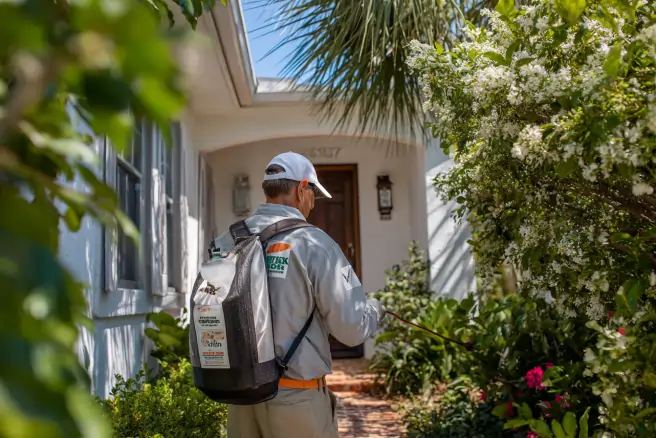
Selecting a pest control company is not just about addressing an immediate infestation but also about ensuring long-term safety and comfort. With numerous providers in the market, making the right choice can feel overwhelming. This guide focuses on helping you identify a professional and reliable pest control company tailored to your needs.
1. Understand Your Specific Pest Problem
- Is your issue related to rodents, termites, bedbugs, or other pests?
- Are you dealing with a one-time infestation or recurring problems?
- Do you need residential or commercial pest control services?
By identifying specific needs upfront, you can narrow down your choices and target companies that offer specialized services for your pest problem.
2. Key Factors for Evaluating Pest Control Companies
- Licensing and Certification
– Verify that the company holds valid licenses required by local authorities.
– Check if their technicians are certified under industry standards (e.g., National Pest Management Association certifications). - Reputation and Reviews
– Look for online reviews on platforms like Google or Yelp to gauge customer satisfaction.
– Seek recommendations from friends, family, or neighbors who have used similar services. - Experience and Expertise
– Companies with years of experience often have better strategies and solutions for complex infestations. – Ensure their expertise aligns with your specific type of infestation.
| Criteria | Why It Matters |
| Licensing | Ensures legal compliance and professionalism |
| Reputation | Reflects customer trust and service quality |
| Experience | Indicates efficiency in handling pests |
3. Questions to Ask a Pest Control Company
- What methods do you use to treat my specific type of infestation?
- Are your products environmentally friendly or safe for children and pets?
- Can you provide references from past clients with similar issues?
- What warranties or guarantees do you offer on services provided?
These inquiries will give you clarity regarding their approach while helping assess if they align with your preferences.
4. Comparing Costs Without Sacrificing Quality
While affordability is an important factor, it should not be the sole determinant in choosing a pest control company:
– Avoid Extremely Low Bids: These may indicate subpar service quality or hidden costs later on. – Request Detailed Estimates: Always request itemized quotes for transparency. – Consider Value Over Cost: A slightly higher price may include additional benefits like follow-ups or longer warranties.
5. Importance of Customer Support & Follow-Ups
A reputable company values ongoing communication with its clients: – They respond promptly to inquiries. – They provide guidance on how to prevent future infestations. – They schedule follow-ups as part of their long-term service commitment.
By carefully evaluating all these elements—expertise, licensing, reputation, cost transparency, and customer support—you can confidently choose a professional pest control provider that prioritizes safety and efficiency while meeting your specific needs.
Tips for Choosing the Best Florida Pest Control Services
When it comes to selecting an effective pest control service, making the right decision can save you time, money, and stress. With numerous options available in the market, it’s essential to critically assess your choices to ensure you hire a service provider that fits your needs. Below is a detailed guide on how to evaluate pest control services.
https://pompanobeachpestcontrol.weebly.com/
Identify Your Specific Pest Problem
Before reaching out to pest control companies, determine the type of pest issue you’re facing. Some companies specialize in specific pests such as termites, rodents, or bed bugs, while others offer more generalized services. Proper identification of your pest problem allows you to select a company equipped with the right expertise and methods.
- Common Pests: Ants, cockroaches, termites, rodents
- Specialized Services: Bed bug extermination or wildlife control
Verify Licensing and Certifications
A reputable pest control company will hold proper licenses and certifications required by state or local authorities. These credentials indicate compliance with regulations and up-to-date knowledge of safe pesticide application techniques.
- Request proof of current licensing for their operators.
- Look for certifications from organizations such as the National Pest Management Association (NPMA).
Compare Service Offerings
Not all pest control companies offer identical services. Comparing what each company provides ensures you select one that aligns with your needs.
| Service Type | Description |
| Inspection Services | Companies assess the severity of infestations |
| One-Time Treatments | Ideal for minor infestations |
| Ongoing Maintenance Plans | Regular preventative treatments |
| Eco-Friendly Options | Use of green pesticides and methods |
Review their service inclusions carefully and ask about additional fees or guarantees they may offer.
Assess Customer Reviews and Reputation
- Ask for references from past clients.
- Seek recommendations from friends or family who have faced similar issues.
Pay attention to recurring complaints regarding poor communication or ineffective treatments.
Ensure Transparency in Pricing
- A clear breakdown of costs (labor, materials, follow-ups).
- No hidden charges.
- Guarantees provided with paid services.
Ask About Integrated Pest Management (IPM) Practices
Integrated Pest Management (IPM) emphasizes long-term solutions that minimize pesticide use while addressing root causes of infestations. A good company should focus on sustainable approaches and educate clients about preventive measures.
Key IPM methods include: – Sealing entry points – Regular inspections – Habitat modification
Companies utilizing IPM often prioritize environmental safety alongside effective extermination practices.
Evaluating your options carefully ensures that you work with a professional team capable of resolving your infestation problem efficiently while adhering to safety standards. Taking time to assess these factors will help prevent future issues while safeguarding both property and health during the process.
Evaluating Your Options for the Best Exterminators in Florida
Choosing the right pest control service is a critical decision to protect your home or business from unwanted infestations. With numerous companies offering similar services, evaluating your options effectively ensures you make an informed choice. Below are some detailed steps and considerations to help streamline the selection process.
1. Assess Your Specific Pest Problem
- Rodents: Mice and rats require targeted trapping or baiting strategies.
- Insects: Bed bugs, ants, termites, or cockroaches each demand unique treatments.
- Wildlife: Squirrels or raccoons often need humane removal techniques.
By understanding your problem, you can narrow down companies that cater specifically to your needs.
2. Research and Compare Services
| Evaluation Criteria | Why It Matters |
| Service Offerings | Ensure the company handles your specific pest problem efficiently. |
| Treatment Methods | Look for eco-friendly or chemical-free options if important to you. |
| Techniques Used | Check whether they employ modern tools like heat treatments for bed bugs or moisture barriers for termites. |
| Customization | A good provider tailors solutions based on the severity of infestation and unique property conditions. |
3. Examine Credentials and Certifications
- State Licensing: Verify if they’re authorized to operate in compliance with local laws.
- Certifications: Look for qualifications such as QualityPro certification, which indicates adherence to industry standards.
- Insurance Coverage: Confirm they have liability insurance in case of accidental property damage during treatment.
4. Read Reviews and Ask for References
- Check online reviews on platforms like Google, Yelp, or Better Business Bureau (BBB).
- Ask potential providers to share references from previous customers who encountered similar pest issues.
- Inquire about customer satisfaction guarantees—this reflects their confidence in delivering effective solutions.
5. Evaluate Pricing Transparency
- Request written estimates that outline all costs involved (e.g., inspection fees, treatment charges).
- Beware of hidden fees not disclosed upfront.
- Consider long-term contracts cautiously—ensure they align with your needs before committing.
6. Assess Communication and Professionalism
- Responsiveness: How quickly do they respond to inquiries?
- Employee Knowledge: Are technicians knowledgeable about pests and treatments?
- Transparency: Do they explain risks associated with chemicals or processes clearly?
A company with excellent communication practices often provides better customer service overall.
Final Tip – Focus on Preventive Measures
Some companies also offer preventive services aimed at stopping infestations before they start—such as routine inspections or sealing entry points around buildings.
By carefully evaluating these factors, you’ll have greater confidence in selecting an effective pest control service tailored specifically to your needs while ensuring safety and professionalism throughout the process.
Important Safety Tips for Choosing Pest Removal Services in Florida
When hiring pest control professionals, prioritizing safety is critical for protecting your family, pets, and the environment. Understanding the potential risks and implementing necessary precautions ensures effective pest management while minimizing harm. Below are key safety measures to consider when selecting pest control services.
1. Verify the Use of Environmentally Friendly Solutions
- Biodegradable or less toxic products.
- Targeted treatments rather than widespread chemical application.
- Physical or biological controls where applicable.
This not only keeps your household safe but also reduces environmental impact.
2. Ask About Pre-Treatment Guidelines
- Covering or removing food items.
- Storing pet supplies in sealed containers.
- Relocating sensitive individuals (e.g., infants or pregnant individuals) during treatment.
Proper preparation ensures safety during and after the process while maximizing effectiveness.
3. Ensure Proper Ventilation During and After Treatment
Some treatments can release fumes that could be harmful if inhaled in confined spaces. Confirm with the pest control professionals that they will maintain adequate ventilation throughout their work. Additionally, they should advise you on when it is safe to reoccupy treated areas.
4. Assess Their Protective Equipment and Procedures
| PPE Type | Purpose |
| Gloves | Prevents skin contact with hazardous substances |
| Respirators or Masks | Protects against inhalation of toxic fumes |
| Goggles | Shields eyes from chemicals |
| Full-body Coveralls | Minimizes exposure to clothes and skin |
Confirm that technicians follow strict safety protocols while applying treatments.
5. Understand Post-Treatment Safety Guidelines
- Cleaning treated surfaces.
- Reintroducing pets and children into the treated area.
- Monitoring for residual effects like odors or residues.
Compliance with these guidelines reduces risks associated with chemical exposure post-treatment.
6. Evaluate Their Emergency Response Preparedness
Despite all precautions, accidents during pest control treatment can happen. A professional company should have emergency response plans in place for scenarios like accidental exposure or spills. Don’t hesitate to ask about these protocols before hiring them.
7. Confirm Certification and Training in Safe Practices
Ensure that technicians are trained and certified in handling pesticides safely according to local regulations. Many regions require pest control operators to complete specific licensing exams focused on safe pesticide application techniques.
By carefully considering these essential safety measures when hiring a pest control company, you can ensure a safe experience for all occupants while addressing unwanted pests effectively.
How to Choose a Reliable Florida Pest Control Service
When selecting a pest control company, ensuring they have the proper licensing is one of the most critical steps. A license serves as proof that the company meets regional or national standards for safety, training, and expertise in pest management. This not only protects you but also ensures that the methods employed are effective and compliant with legal requirements.
Why Is Licensing Important?
- Regulatory Compliance: Licensed companies adhere to government regulations regarding pesticide use, safety measures, and environmental impact.
- Consumer Protection: A license demonstrates a level of accountability and professionalism, offering peace of mind to clients.
- Technical Expertise: Licensed professionals are trained in handling hazardous chemicals safely and diagnosing pest issues accurately.
- Insurance Coverage: Many licensed companies provide liability insurance, which protects both the customer and business in case of accidental damage.
How to Verify a Pest Control Company’s License
- Ask for Proof: Request the company’s license number and verify it with your state or local authority’s database. Most regions maintain online registries for such verification.
- Understand Regional Requirements: Licensing requirements vary by location. Ensure the company complies with your area’s laws regarding pest control operations.
- Check Expiry Dates: Licenses need periodic renewal. Confirm that the license is up-to-date.
- Look for Certifications Beyond Licensing: In addition to basic licenses, look for certifications from reputable organizations like the National Pest Management Association (NPMA). These often indicate advanced levels of training and expertise.
Red Flags Related to Licensing
| Red Flag | What It Might Indicate |
| No proof of licensing offered | The company may be operating illegally or without proper training |
| Expired or invalid license | They might not meet current legal or safety standards |
| Lack of liability insurance | You may face potential financial risks due to accidents or ineffective treatments |
| Overuse of vague language | Companies avoiding direct answers about certification may be trying to hide their unqualified status |
Benefits of Hiring a Licensed Pest Control Professional
- Access to trained technicians who understand proper pesticide application techniques
- Assurance that environmentally sustainable practices are followed
- Reduced risk of exposure to hazardous chemicals due to strict adherence to safety protocols
- Higher likelihood of resolving infestations effectively on the first attempt
Licensed professionals prioritize both efficacy and customer welfare when addressing pest problems.
Hiring an unlicensed provider may seem like an opportunity for cost savings in some instances; however, it can lead to more harm than good—financially, legally, and environmentally. By thoroughly verifying credentials before hiring a pest control company, you ensure quality service while safeguarding your property from potential risks associated with improper practices.
Tips for Researching and Understanding Pest Removal Services
When selecting a pest control company, one of the most critical factors to consider is its reputation. A company’s reputation not only reflects its reliability and effectiveness but also signals its ability to provide safe and ethical services. Conducting thorough research into a company’s track record can save you from subpar results and potential risks.
Why Reputation Matters
- Service Quality: Companies with strong reputations tend to have consistently high-quality service.
- Safety Standards: A reputable company often prioritizes safe practices for both people and the environment.
- Professionalism: Good customer reviews typically indicate professionalism, timeliness, and clear communication.
By understanding these factors, you can make better-informed decisions when narrowing down your options.
Steps for Researching a Pest Control Company
- Use platforms like Google Reviews, Yelp, or the Better Business Bureau (BBB) to read customer feedback.
- Look for patterns in reviews—are there recurring complaints about specific issues?
- Consider both positive and negative reviews to get a balanced view.
- Ask the company directly for references from past customers.
- Contact these references to inquire about their experience, including service quality, punctuality, and effectiveness.
- Reputable companies often hold certifications from recognized organizations like the National Pest Management Association (NPMA).
- Check whether they follow Integrated Pest Management (IPM) practices, which emphasize long-term prevention over quick fixes.
- A well-established company with years of experience often has a proven track record.
- Look at how long they’ve been operating in your local area—regional expertise can be an indicator of reliability.
Red Flags to Watch For
- High volumes of negative reviews with no visible effort to address them.
- Lack of transparent pricing or unwillingness to provide estimates in writing.
- No evidence of proper licensing or certifications.
- Aggressive sales tactics or pressure to sign contracts without adequate explanation.
Comparing Companies Using Reputation Data
| Company Name | Average Review Score | Certifications | Years in Business | Customer Service Rating |
| Company A | 4.8/5 | NPMA Certified | 10+ Years | Excellent |
| Company B | 3.9/5 | None | 5 Years | Adequate |
| Company C | 4.5/5 | IPM Focused | 15+ Years | Very Good |
Using such tools will help you evaluate multiple companies at once and identify which one aligns best with your needs.
Final Thoughts on Reputation Assessment
Researching a pest control company’s reputation requires diligence but is essential for ensuring quality service delivery. By leveraging customer feedback, verifying credentials, and looking out for red flags, you can significantly reduce risks associated with unreliable providers while ensuring effective pest management solutions tailored to your household or business needs.
Creating an Effective Plan for Choosing Reliable Pest Control Solutions
When it comes to addressing pest infestations, choosing a reliable pest control solution is critical. The process can feel overwhelming due to the number of companies and options available. However, by creating an organized and effective plan, you can make informed decisions that protect your property and ensure long-term success. Below is a step-by-step guide to help you develop a structured approach.
Step 1: Assess Your Pest Problem
Understanding the severity, type, and scale of the pest problem is the first crucial step in making informed decisions about pest control.
- Identify the specific pests affecting your property (e.g., termites, rodents, ants).
- Determine whether the issue is localized or widespread.
- Assess any damage already caused by pests.
Knowing these details will help you select services tailored to your specific needs.
Step 2: Set Your Budget
Pest control services can vary widely in cost depending on factors like the type of infestation and treatment methods. Establishing a budget ensures you stay within financial limits while still obtaining quality service.
Key considerations for budgeting:
– One-time treatments vs. ongoing maintenance plans.
– Costs associated with eco-friendly or chemical-free methods if preferred.
– Emergency services if rapid intervention is required.
Step 3: Research Potential Companies
The next step involves researching reputable pest control providers in your area and comparing their offerings.
Questions to ask during research include:
– Does the company specialize in eliminating the specific pests you’re dealing with?
– Are their treatment methods safe for pets, children, or sensitive environments?
– Do they provide guarantees on their services?
Pay attention to reviews on trusted platforms like Better Business Bureau (BBB) or Google Reviews to gauge customer satisfaction.
Step 4: Verify Credentials
Before finalizing any agreements with a pest control provider, ensure they have proper credentials such as licenses and certifications required by local or state regulations.
Essential licensing elements:
| Credential Type | Importance | |————————–|—————————————————————————| | State License | Ensures compliance with local laws regarding pesticide use and safety. | | Certification in IPM | Demonstrates expertise in Integrated Pest Management practices. | | Insurance Coverage | Protects against liability during treatments conducted on your property.|
Step 5: Request Detailed Proposals
Reliable companies should be willing to provide written estimates that outline costs, timelines, and specific treatment approaches.
When reviewing proposals, look for transparency regarding: – Pesticides or chemicals being used. – Follow-up visits or warranty periods. – Additional preventative measures included as part of their service package.
This clarity will allow you to compare multiple options effectively before making your decision.
Step 6: Conduct Interviews
Once you’ve shortlisted potential companies based on research and proposals, conduct interviews directly with their representatives.
Here’s what to discuss during interviews: 1. Their experience handling infestations is similar to yours. 2. Details about employee training programs. 3. Measures taken for environmental sustainability if applicable. 4. Policies related to post-treatment follow-ups.
Effective communication at this stage ensures trustworthiness while clarifying any remaining concerns about their services.
Step 7: Monitor Effectiveness Post-Treatment
Recommended actions post-treatment: – Schedule regular inspections even after initial extermination efforts succeed. – Keep track of recurring problems (if any) indicating incomplete work. – Maintain open communication channels with service providers regarding additional support needed later.
By following these steps systematically when choosing reliable pest control solutions tailored specifically toward managing infestations safely yet effectively helps reduce risks associated significantly better outcomes overall long term
Creating an Effective Plan for Choosing Reliable Pest Control Solutions
Selecting a trustworthy pest control company requires a well-thought-out plan to ensure your home or business is in capable hands. By following a structured approach, you can streamline the decision-making process and make an informed choice. Below is a guide to help you create and implement an effective plan.
Identify Your Pest Problem
Understanding the type of pest infestation you are dealing with is the first step in choosing the right pest control solution. Certain companies may specialize in specific pests, so identifying your issue will narrow down your options.
- Termites
- Rodents (mice, rats)
- Cockroaches
- Ants
- Bed bugs
- What type of pests are present on your property?
- How severe is the infestation?
- Are there any recurring issues that need special attention?
Research Potential Companies
Once you’ve identified the problem, gather information about local pest control providers. Use online resources such as reviews and company websites to assess their services and expertise.
- Verify that the company specializes in treating your specific pest problem.
- Look for online reviews or customer testimonials.
- Check their website for detailed service descriptions.
- Confirm whether they use eco-friendly or pet-safe treatments if necessary.
| Factor | Importance Level | Example Notes |
| Licensing & Certification | High | Ensures compliance with legal standards |
| Specialization | Medium | Focus on pests specific to your needs |
| Availability | High | Quick response times are crucial |
Prioritize Safety Measures
An essential part of choosing reliable solutions is ensuring safety measures are followed during treatment. Always inquire about techniques and products used by potential service providers.
- Ask for material safety data sheets (MSDS) for chemicals used.
- Discuss potential risks for children, pets, or household items.
- Ensure technicians follow local safety regulations.
Compare Pricing and Services Offered
Every pest control company has its pricing model based on factors like infestation size, treatment type, and follow-up services offered. Comparing quotes will help determine value without compromising quality.
Steps to Evaluate Costs: 1. Request estimates from at least three companies. 2. Check what is included in their pricing—inspection fees, treatment costs, warranties. 3. Be cautious about unusually low prices; they might indicate subpar service or hidden fees.
Review Contracts and Warranties
Before finalizing your choice, thoroughly review all agreements to avoid misunderstandings later. A reliable company will provide transparent contracts outlining their services clearly.
Key Contract Details to Look For: – Scope of services provided
– Frequency of treatment visits
– Guarantee or warranty policies
Schedule Pre-Service Consultations
Finally, arrange consultations with shortlisted companies before making your final decision. This will give you a chance to assess their professionalism and clarify any remaining questions.
Questions to Ask During Consultations:
- How long have you been in business?
- Do you offer follow-up treatments if needed?
- Can you provide references from previous customers?
By using these steps as part of your plan, you can ensure that the pest control solution chosen meets both immediate needs and long-term expectations effectively and responsibly.
- How to Find the Best Pest Control Company for Your Needs
- Tips for Choosing the Best Florida Pest Control Company for Your Home
- Choosing the Best Pest Control Company for Your Needs
- Finding the Best Florida Pest Control Company for Effective and Safe Solutions
- Essential Tips for Choosing the Best Exterminators in Florida for Effective Pest Control
- Expert-Approved Methods and Products from a Trusted Pest Control Company to Get Rid of Moths
- Effective Tips for Selecting a Reliable Pest Control Company
- Tips for Choosing the Right Pest Control Company for Your Needs